
Executive support
Calendar Management for Executives: Turning a Diary Into a Strategy
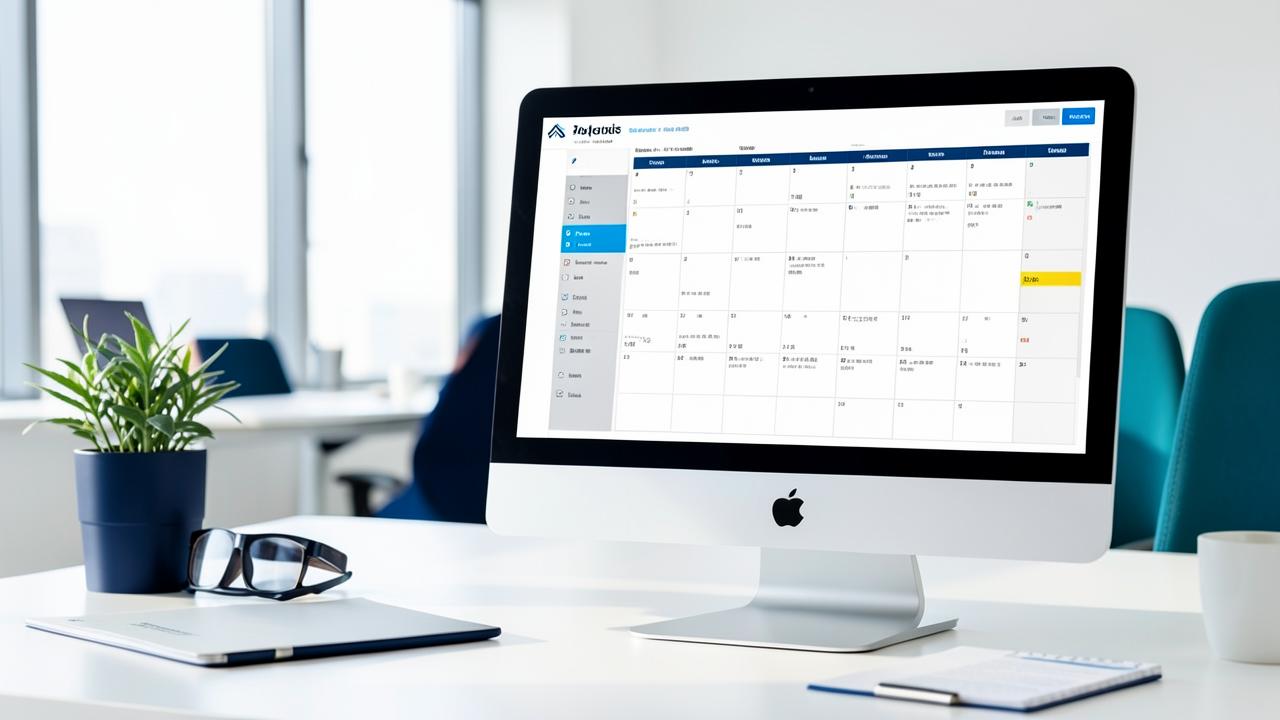
Your calendar is a statement of priorities
Look at last month's calendar and you will see what the business actually valued, regardless of what the strategy deck said. If eighty per cent of the hours went to internal updates, then internal updates were the strategy.
Good calendar management starts by naming the three or four things that must get time every week, then defending those blocks against everything else. Anything left over is negotiable.
The rules an assistant needs
Handing over a calendar fails when the assistant has to guess. It works when you write down a short set of rules: no meetings before 10am, no more than two external calls a day, Friday afternoons blocked, thirty-minute default with fifteen-minute buffers, and a named list of people who can always get time.
With those rules, an assistant can accept, decline, and rearrange without checking in — which is the entire point. A calendar manager who must ask you about every request has simply moved the work, not removed it.
Buffers, batching, and travel
Back-to-back meetings guarantee you arrive at each one unprepared and leave each one without acting on what was agreed. Fifteen minutes between calls is not a luxury; it is where the follow-up actually happens.
Batch similar meetings on the same days. Two heavy meeting days protect three clear days, and clear days are where strategic work gets finished. Travel deserves the same treatment — group external commitments by location and add realistic transit time, not optimistic transit time.
Preparation is part of scheduling
A meeting in the diary without an agenda is a placeholder for a conversation nobody has planned. A strong assistant attaches the agenda, the last set of notes, and the relevant documents to the invitation, so preparation takes five minutes rather than twenty-five.
After the meeting, the same person captures decisions and owners, and schedules the follow-up. The value of an executive assistant is rarely in the booking; it is in everything attached to the booking.
Time zones and international teams
Cross-border scheduling is where most self-managed calendars break. Rotate the inconvenient hour between regions rather than always imposing it on the same team, and keep a fixed overlap window that everyone knows about.
An assistant working ahead of your time zone can prepare the day before it starts — which is exactly why remote support often fits executive schedules better than an in-office arrangement.
Reviewing what the diary produced
Once a month, review where the hours went against the priorities you named. Meetings that no longer earn their place get cancelled, shortened, or delegated. Calendars grow clutter the way desks do, and nobody clears them by accident.
Clients who run this review with their assistant typically recover five to ten hours a month within a quarter — without working any differently, just scheduling differently.
Need a hand putting this into practice?
Nexa VA provides tailored executive assistance, writing, and data support — shaped around the way your business works.
Let's discuss how Nexa VA can support your business