
Outsourcing
How to Write an SOP: Documenting Work So Someone Else Can Do It
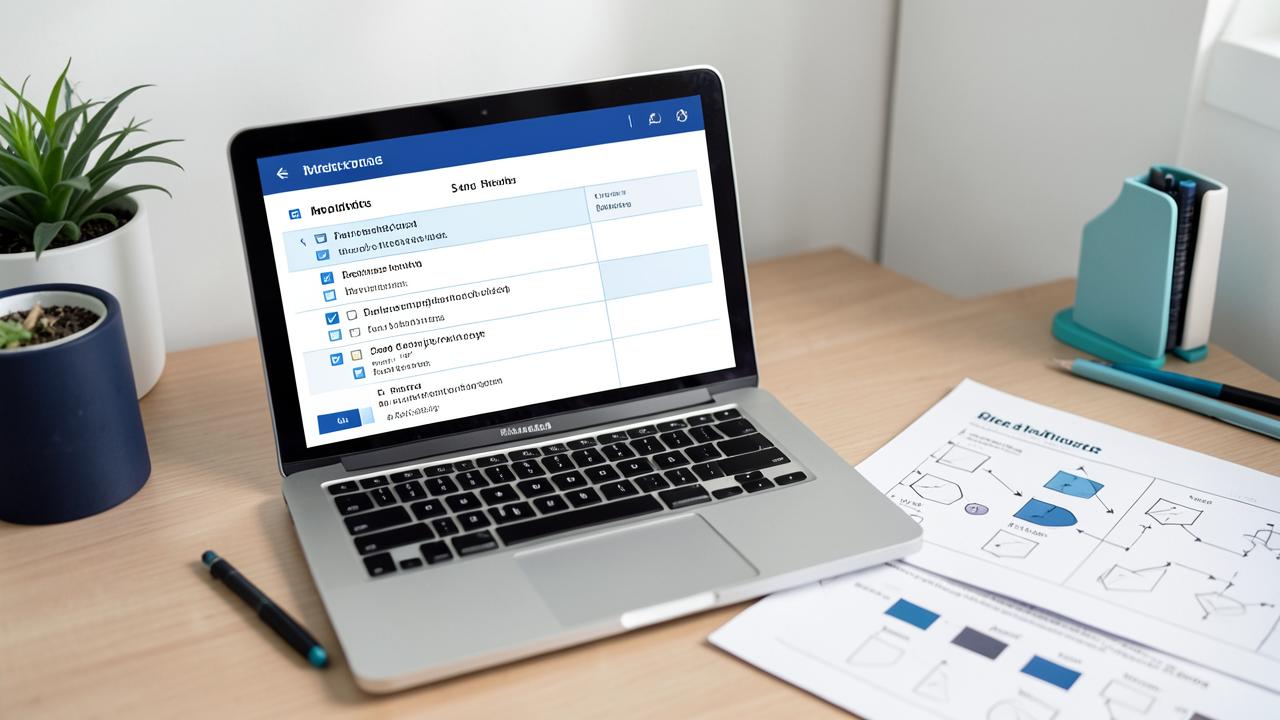
Why delegation fails without documentation
Most failed handovers are blamed on the person who took the work. Usually the real cause is that the process only ever existed in someone's head, so every judgement call became a question and every question became an interruption.
A written procedure converts a person's habit into a business asset. It survives holidays, illness, and staff changes, and it makes the difference between hiring help and training help forever.
Record before you write
Do not sit down to write a procedure from memory — you will leave out the parts you do automatically. Instead, record your screen the next three times you do the task, talking through what you are doing and why.
Transcribe the recording and you have a rough draft in minutes rather than an afternoon. This is also the single fastest way to hand a process to an assistant who can then write the clean version for your approval.
The six parts of a usable SOP
Purpose: one sentence on what this achieves and why it matters. Trigger: what starts it — a date, an email, a form submission. Steps: numbered, each beginning with a verb, each small enough to complete without guessing.
Then: Decisions — the judgement calls and the rule for each, including when to stop and ask. Definition of done — how anyone can check the work is complete and correct. Owner and review date — who maintains it, and when it next gets checked.
That is the whole template. A good SOP for an ordinary business task fits on one page; if yours runs to five, the task is probably three tasks.

Write for the person who will actually do it
Avoid internal shorthand, or define it once at the top. Name the exact system and the exact button, not “the usual place”. Include a screenshot for any step where the interface is confusing.
Test it the honest way: give it to someone who has never done the task and watch without helping. Every point where they hesitate is a missing line. Twenty minutes of watching improves a procedure more than an hour of rewriting.
Keep them alive
Procedures rot. Tools change, prices change, the person who wrote it leaves. Put a review date on every one and give each a named owner — usually the person who performs it, not the person who wrote it.
Store them all in one place your team can search, and link them from the task itself so nobody has to go looking. A library nobody can find is the same as no library.
Start with five
You do not need to document the business. Document the five tasks you repeat most and dislike most, and you will have covered the bulk of what you can safely hand over this quarter.
When Nexa VA takes on a new client, this is typically the first fortnight's work: watch, document, confirm, then run. The documentation belongs to the client — so the knowledge stays in the business whatever happens next.
Need a hand putting this into practice?
Nexa VA provides tailored executive assistance, writing, and data support — shaped around the way your business works.
Let's discuss how Nexa VA can support your business